By Radhika Makeovers | Skin & Beauty Experts
If you’re reading this, chances are you’ve already tried the usual suspects — a lemon rub here, a turmeric mask there — and you’re still staring at the same tan lines or dark patches in the mirror. You’re not alone. Uneven skin tone and pigmentation are probably the most common thing clients ask us about at the salon, right after “which shade of foundation suits me.”
Here’s the honest truth: almost every blog on “how to reduce melanin in skin” repeats the same five tips without really explaining why they work or when they don’t. So instead of another generic listicle, we put together everything we’ve actually learned from years of doing facials, skin prep, and glow treatments for real clients — the science bit, the foods and drinks that genuinely help, the skincare ingredients worth your money, and when it’s time to stop DIY-ing and see a professional.
Grab a cup of green tea (yes, it’s on the list below) and let’s get into it.

At Radhika Makeovers, Jaipur’s trusted beauty studio, skin tone correction and brightening facials are something we do every single day — so this isn’t just theory, it’s what we actually tell our clients.
1. What Is Melanin, Anyway?
Let’s start simple. Melanin is a pigment made by cells in your skin called melanocytes. It’s the same stuff that decides your hair colour and eye colour, and it exists for one main job: protecting you. The moment your skin senses UV rays from the sun, these melanocytes kick into gear and pump out more melanin to shield the deeper layers from damage.
There are two types worth knowing:
- Eumelanin – gives brown-to-black tones, and it’s the stronger sunscreen of the two (more of it in darker skin).
- Pheomelanin – gives red-to-yellow tones, more common in fair skin and red hair.
So no, melanin isn’t the villain here. It’s doing its job. The actual problem people are trying to solve is uneven or excess melanin — the tan that won’t fade, the dark patch on one cheek, the spot left behind after a pimple. That’s really what “how to reduce melanin” means for most people, and that’s what we’re solving for in this guide.

2. So Why Is Your Skin Overproducing Melanin?
Before you reach for any remedy, it’s worth figuring out why this is happening to you in the first place — because a tan from your last beach trip and hormonal melasma need completely different approaches.
- Sun exposure (the big one): UV rays activate an enzyme called tyrosinase, which tells your melanocytes to produce more pigment. This is behind almost every “quick tan” and most sunspots.
- Hormones: PCOS, pregnancy, and menopause are notorious for triggering melasma and patchy, stubborn pigmentation.
- Inflammation: That acne breakout or bug bite you scratched? The dark mark left behind is called post-inflammatory hyperpigmentation, and it’s incredibly common.
- Genetics: Some of this is just written into your DNA — your baseline melanin level is inherited.
- Stress, sleep, and pollution: These don’t cause pigmentation directly, but they speed up oxidative damage, which makes existing pigmentation look darker and more stubborn.
Here’s why this matters: if your pigmentation is purely sun-tan related, home remedies and SPF will genuinely work well — we’ve actually written a full guide on how to remove tan from face naturally if that’s more your specific concern. But if it’s hormonal melasma, you’ll likely need a more targeted skincare routine — or a dermatologist’s help — alongside everything else in this guide.

3. How to Reduce Melanin in Skin Naturally (Home Remedies That Actually Hold Up)
Okay, here’s the part everyone’s been waiting for. These aren’t random kitchen hacks — each one has a real reason behind why it works.

Lemon Juice + Honey
Lemon’s high in Vitamin C and citric acid, both of which get in the way of the tyrosinase enzyme (the one responsible for melanin production). Honey just makes sure your skin doesn’t feel stripped dry afterward. How to use: Mix fresh lemon juice with a spoon of honey, dab it on clean skin for 2–4 minutes, then rinse with cool water. One thing though — don’t step out in the sun right after, lemon can make your skin more sensitive to it.
Aloe Vera
This one’s a genuine multitasker. It has a compound called aloin that helps with lightening, plus it calms down any irritation on the skin. How to use: Apply pure aloe vera gel straight from the plant (or a trusted gel) and leave it on overnight.
Turmeric + Milk or Yogurt
Turmeric’s curcumin has both anti-inflammatory and antioxidant properties, and it helps calm the hormone activity that drives pigmentation. How to use: Make a paste with turmeric powder and milk or yogurt, leave it on for 15–20 minutes. Want another Ayurvedic staple that pairs really well with turmeric? Check out our post on multani mitti benefits for a face pack that tackles both tan and dullness together.
Papaya
Papaya has natural enzymes that gently exfoliate dead, pigmented skin cells — think of it as nature’s mild scrub. How to use: Mash up some ripe papaya and use it as a 10-minute face mask.
Tomato Pulp
Full of lycopene, which fights the free-radical damage caused by the sun and helps calm redness too. How to use: Rub tomato pulp directly on your skin, or leave a thicker paste on for 15 minutes.
Green Tea Extract
Loaded with polyphenols and catechins — basically antioxidants that reduce oxidative stress and slow down excess melanin caused by sun exposure. How to use: Use a cooled, used green tea bag as a compress, or pick a serum that lists green tea extract.
💡 A little reality check from our facial experts: home remedies are great for maintenance and mild tanning, but they won’t erase deep, long-standing pigmentation overnight. Pair them with daily SPF for results you’ll actually notice in the mirror.
4. Melanin Rich Foods vs. Melanin Reducing Foods — What Should You Actually Eat?
Here’s something most articles skip entirely: your plate matters just as much as your skincare shelf. Let’s break down what to go easy on and what to load up on.

Melanin Rich Foods (nothing to fear, just be mindful)
- Berries — full of polyphenols that can support pigmentation pathways
- Dark leafy greens with high copper content
- Foods high in tyrosine (an amino acid your body uses to make melanin), like soy and certain nuts
You don’t need to cut these out completely — just don’t go overboard if even skin tone is your main goal.
Melanin Reducing Foods (these should be on your grocery list)
- Citrus fruits (oranges, lemons, sweet lime) – Vitamin C gets in the way of the tyrosinase enzyme
- Tomatoes – lycopene protects against UV damage
- Papaya – natural exfoliating enzymes
- Green tea – antioxidant-rich, fights oxidative pigmentation
- Walnuts and avocado – rich in glutathione, a known depigmenting compound
- Bell peppers and strawberries – packed with Vitamin C
- Spinach, carrots, sweet potatoes – Vitamin A that supports healthy skin renewal
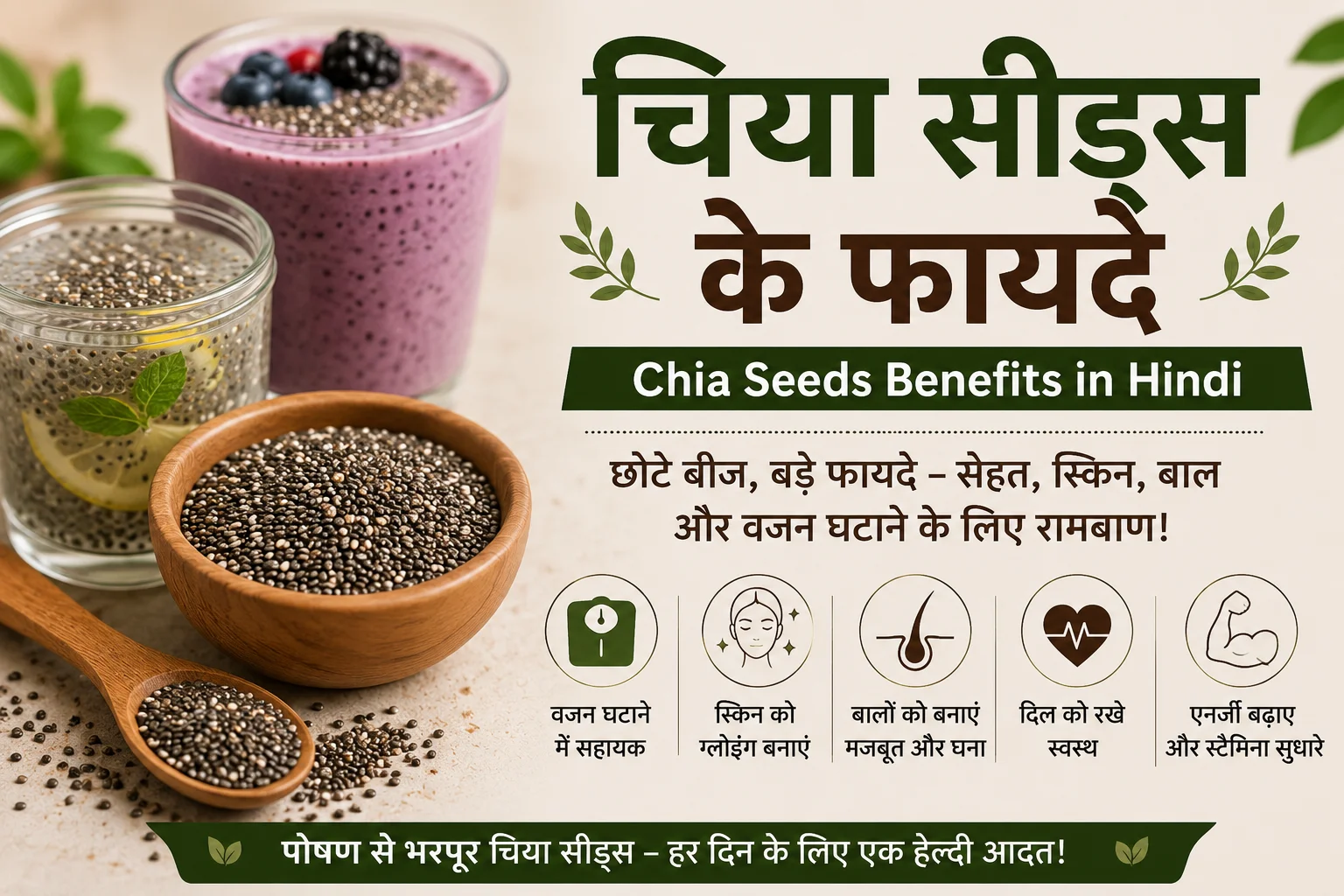
Honestly, a diet that’s consistently rich in antioxidants and Vitamin C will do more for your skin over three months than any single face mask ever could. If you want one easy addition to start with, we did a full deep-dive on chia seeds benefits for skin — they’re cheap, easy to add to almost anything, and genuinely help with brightening over time.
5. Best Drink to Reduce Melanin — Yes, People Actually Ask This a Lot
If you’ve ever wondered what the single best drink to reduce melanin is, there isn’t just one magic answer — but a few genuinely stand out:
- Lemon Water – Loaded with Vitamin C, this helps hold back melanin-producing enzymes from the inside. Best had first thing in the morning, on an empty stomach if you can.
- Green Tea – Full of catechins and antioxidants that fight UV-related pigmentation and oxidative stress.
- Tomato Juice – Its lycopene content makes it a natural, gentle depigmenting drink.
- Carrot Juice – Rich in beta-carotene, which helps skin renew evenly and gives that healthy glow.
- Coconut Water – Keeps you hydrated from within, which helps your skin barrier stay strong so pigmentation doesn’t look as dull or pronounced.
- Amla (Indian Gooseberry) Juice – One of nature’s richest Vitamin C sources, and a staple in Ayurvedic skin-brightening routines for generations.
The golden rule here: no drink is a standalone fix. Think of these as support for your routine, not a replacement for sunscreen or skincare.
6. Skincare Ingredients That Actually Work (Not Just Marketing Buzzwords)
Home remedies and diet will only take you so far. If you’re serious about fading pigmentation, these are the ingredients worth actually spending money on:
[IMAGE SPACE: Skincare products/serums labelled with Vitamin C, Niacinamide, Kojic Acid]

| Ingredient | How It Works |
|---|---|
| Vitamin C | Antioxidant that inhibits tyrosinase and brightens skin |
| Niacinamide | Reduces melanin transfer to skin cells, evens tone |
| Kojic Acid | Blocks tyrosine, the enzyme behind melanin production |
| Alpha Arbutin | A gentler, natural alternative to hydroquinone |
| Azelaic Acid | Effective for acne-related pigmentation and melasma |
| Retinol | Speeds up cell turnover, fading pigmented cells faster |
| SPF 30+ (non-negotiable) | Prevents new melanin from forming in the first place |
One tip we always give clients: don’t throw all of these into your routine at once. Introduce one active ingredient at a time, and always patch-test before it goes anywhere near your full face. If you’ve got oily or acne-prone skin along with pigmentation, we’ve written specifically about our go-to combo in salicylic acid and niacinamide serum benefits — it’s one of the most requested routines at our studio.
7. When Home Remedies Aren’t Cutting It — Professional Treatments
Sometimes, no matter how consistent you are with lemon masks and green tea, certain pigmentation just doesn’t budge. That’s usually when it’s time to bring in professional help:
- Chemical Peels – Exfoliate the top layer of skin to reveal fresher, more even-toned skin underneath.
- Hydrafacial / Brightening Facials – A combination of hydration, gentle exfoliation, and active serums. Perfect for an instant glow before a wedding or big event.
- Laser Therapy – Goes after deeper melanin deposits, ideal for stubborn dark spots that just won’t fade.
- Microdermabrasion – Physically buffs away dead, pigmented skin cells.
Not ready for a full clinical treatment yet? A good middle-ground is a proper peel off mask routine at home — it’s gentler than a chemical peel but still gives that noticeable glow before an event.
At Radhika Makeovers, our brightening facials are built around what Indian skin actually deals with — sun exposure, pollution, and hormonal tanning. If you’ve got an event coming up and want that camera-ready glow, feel free to check out our services and plans or book an appointment for a quick consultation.
8. The Everyday Habits That Matter More Than You Think
- Wear sunscreen. Every single day. SPF 30+, and reapply every 2–3 hours if you’re outdoors.
- Drink enough water — 8 to 10 glasses a day isn’t just a wellness cliché, it genuinely shows on your skin.
- Sleep properly — your skin does most of its repair work while you’re asleep.
- Keep stress in check — cortisol spikes can quietly worsen hormonal pigmentation.
- Please don’t pick at acne or scabs — this is genuinely one of the most common, and most avoidable, causes of dark spots we see.
- Exfoliate gently, 2–3 times a week — it clears out dead, pigmented skin cells before they build up.
9. FAQs
Q: Can melanin be permanently reduced? A: No — melanin production is largely genetic and protective. What you can do is manage excess or unwanted pigmentation through consistent skincare, diet, and treatments.
Q: How long does it take to see results from natural remedies? A: Most home remedies show visible improvement in 4–6 weeks with consistent use. Deeper pigmentation like melasma can take 3–6 months.
Q: Is it safe to use lemon on the face daily? A: Not recommended daily, as lemon can increase photosensitivity. Use 2–3 times a week and always follow with sunscreen.
Q: What is the fastest way to reduce melanin before an event? A: A professional brightening facial (like Hydrafacial) offers the most visible instant glow, though it doesn’t reduce melanin production long-term. For lasting change, combine it with a consistent home routine.
10. Final Thoughts
At the end of the day, melanin isn’t your enemy — it’s literally your skin protecting itself. But we get it, if uneven pigmentation is knocking your confidence, you want it sorted. And the good news is, with the right mix of diet, hydration, the right skincare ingredients, and the occasional professional treatment, your skin tone can genuinely even out over time. It just takes a bit of patience and consistency.
And if you’d rather not go through months of trial and error on your own, the team at Radhika Makeovers is happy to build a routine around your skin specifically. Visit our website to check out our skin brightening facials and bridal skin prep packages, browse more skincare guides on our blog, or come say hi on Instagram @radhika_makeovers30 — we post skincare tips, honest product reviews, and behind-the-scenes glow-ups there almost every week.
Disclaimer: This article is for informational purposes only and is not a substitute for professional medical advice. For persistent or severe pigmentation, please consult a dermatologist.